Buy elii.eu ?
We are moving the project
elii.eu .
Are you interested in purchasing the domain
elii.eu ?
domain@kv-gmbh.de · 0541-91531010
Buy elii.eu ?
What is a discourse?
A discourse is a way of speaking or writing that conveys a particular perspective or understanding of a topic. It involves the use of language to communicate ideas, beliefs, and values within a specific context or community. Discourses can shape how we perceive and interpret the world around us, influencing our thoughts and actions. They can be found in various forms such as political speeches, academic articles, or everyday conversations. **
What is a discourse tradition?
A discourse tradition refers to a set of shared practices, beliefs, and norms that guide how communication and conversation are conducted within a particular community or culture. It encompasses the language, symbols, and rhetorical strategies that are used to convey meaning and shape understanding within a given context. Discourse traditions can vary widely across different social, political, and cultural groups, and they play a crucial role in shaping how individuals interpret and respond to the world around them. Understanding discourse traditions is important for effective communication and for navigating diverse social and cultural contexts. **


Similar search terms for Discourse
Top-Angebote
Products related to Discourse:




-
What is a scientific discourse?
A scientific discourse is a formal discussion or communication within the scientific community that involves the exchange of ideas, theories, and evidence related to a particular scientific topic. It often takes place in academic journals, conferences, and research institutions, and is characterized by a rigorous and systematic approach to presenting and evaluating information. Scientific discourse aims to advance knowledge and understanding in a particular field by critically analyzing and debating research findings and theories. It is an essential part of the scientific process, as it allows scientists to build on existing knowledge and contribute to the collective understanding of the natural world. **
-
What is an interdisciplinary discourse?
An interdisciplinary discourse is a conversation or exchange of ideas that involves multiple academic disciplines or fields of study. It brings together scholars, researchers, and practitioners from different areas to explore complex issues and problems from a variety of perspectives. This approach allows for a more comprehensive understanding of the topic at hand and encourages the integration of diverse knowledge and methodologies. Interdisciplinary discourse often leads to innovative solutions and new insights that may not have been possible within the confines of a single discipline. **
-
Does discourse ethics have a teleological or deontological approach?
Discourse ethics is primarily associated with a deontological approach. It focuses on the principles of communication and interaction between individuals, emphasizing the importance of ethical norms and rules in guiding discourse. The goal is to ensure that communication is based on mutual respect, equality, and rationality, rather than aiming towards a specific outcome or goal. By prioritizing the ethical principles of communication, discourse ethics aims to create a fair and just dialogue among participants. **
-
What does this principle of discourse ethics aim to convey?
The principle of discourse ethics aims to convey the importance of engaging in open and honest communication in order to reach ethical conclusions and decisions. It emphasizes the need for all parties involved in a discussion to have equal opportunity to express their viewpoints and be heard. By promoting respectful dialogue and mutual understanding, discourse ethics seeks to ensure that ethical decisions are reached through rational deliberation rather than power dynamics or manipulation. Ultimately, the goal is to foster a more just and inclusive decision-making process that respects the dignity and autonomy of all individuals involved. **

What is the difference between a discussion and a discourse?
A discussion typically refers to a conversation or exchange of ideas between individuals or groups, often with the goal of reaching a decision or understanding. It is usually more informal and can involve multiple perspectives and viewpoints. On the other hand, discourse refers to a more structured and systematic way of communicating ideas, often within a specific context or field of study. Discourse can involve the analysis and interpretation of language, power dynamics, and social structures, and it often follows certain rules and conventions. In summary, while a discussion is more casual and open-ended, discourse is more formal and focused on specific topics or themes. **
What are the comprehension issues with Jürgen Habermas' discourse ethics?
Jürgen Habermas' discourse ethics can be challenging to comprehend due to its complex and abstract nature. One issue is the difficulty in understanding the concept of communicative rationality, which forms the basis of discourse ethics. Additionally, the application of discourse ethics to real-life ethical dilemmas can be unclear, as it requires a deep understanding of Habermas' theory of communicative action and the ideal speech situation. Furthermore, the extensive use of philosophical and sociological concepts in discourse ethics can make it challenging for readers to grasp the full scope of Habermas' arguments. **
Top-Angebote
Products related to Discourse:
-
Pan Make Brilliant Work: Lessons on Creativity, Innovation and Success by Rod Judkins - Paperback - Self-Help/Business Creativity Guide, Author ofMake Brilliant Work is an inspiring guide by Rod Judkins, drawing on the real-life stories of visionaries from Frida Kahlo to Steve Jobs. This paperback book reveals the methods and mindsets that turn ordinary effort into extraordinary results. Judkins proves that talent alone never guaranteed success — persistence, risk-taking and original thinking did. A motivating read for anyone wanting to unlock their creative potential at work or in life. The book profiles figures who failed at school, were told they lacked talent, or were fired more than once, yet went on to achieve great things. Written by Rod Judkins, published by Pan Macmillan, this book is a reassuring truth: you don't have to be naturally brilliant to produce brilliant work.2,99 £*Shipping: 2,99 £Secure redirect to the provider
-
Uplift Treasures Adjustable Car Accessibility Safety Handle Adjustable Car Accessibility Safety HandleProduct Description Make getting in and out of your vehicle safer and easier with this adjustable car accessibility safety handle. Designed to provide reliable support without tools, it installs quickly and offers a secure grip for seniors,...39,97 $*Shipping: 0,00 $Secure redirect to the provider
-
What is a discourse?
A discourse is a way of speaking or writing that conveys a particular perspective or understanding of a topic. It involves the use of language to communicate ideas, beliefs, and values within a specific context or community. Discourses can shape how we perceive and interpret the world around us, influencing our thoughts and actions. They can be found in various forms such as political speeches, academic articles, or everyday conversations. **
-
What is a discourse tradition?
A discourse tradition refers to a set of shared practices, beliefs, and norms that guide how communication and conversation are conducted within a particular community or culture. It encompasses the language, symbols, and rhetorical strategies that are used to convey meaning and shape understanding within a given context. Discourse traditions can vary widely across different social, political, and cultural groups, and they play a crucial role in shaping how individuals interpret and respond to the world around them. Understanding discourse traditions is important for effective communication and for navigating diverse social and cultural contexts. **
-
What is a scientific discourse?
A scientific discourse is a formal discussion or communication within the scientific community that involves the exchange of ideas, theories, and evidence related to a particular scientific topic. It often takes place in academic journals, conferences, and research institutions, and is characterized by a rigorous and systematic approach to presenting and evaluating information. Scientific discourse aims to advance knowledge and understanding in a particular field by critically analyzing and debating research findings and theories. It is an essential part of the scientific process, as it allows scientists to build on existing knowledge and contribute to the collective understanding of the natural world. **
-
What is an interdisciplinary discourse?
An interdisciplinary discourse is a conversation or exchange of ideas that involves multiple academic disciplines or fields of study. It brings together scholars, researchers, and practitioners from different areas to explore complex issues and problems from a variety of perspectives. This approach allows for a more comprehensive understanding of the topic at hand and encourages the integration of diverse knowledge and methodologies. Interdisciplinary discourse often leads to innovative solutions and new insights that may not have been possible within the confines of a single discipline. **
Similar search terms for Discourse
-
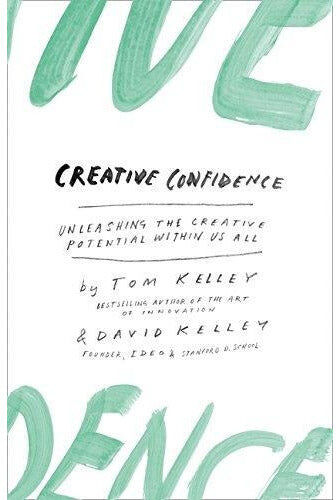
HARPERCOLLINS Creative Confidence by Tom & David Kelley – Unleashing Your Creative Potential & Innovation MindsetA powerful and inspiring book from the founders of IDEO, the award-winning design firm, on unleashing the creativity that lies within each and every one of us. Too often, companies and individuals assume that creativity and innovation are the domain of the ‘creative types’. But two of the foremost experts in innovation, design and creativity on the planet show us that each and every one of us is creative. In an entertaining and inspiring narrative that draws on countless stories from their work at IDEO, and with many of the world's top companies and design firms, David and Tom Kelley identify the principles and strategies that will allow us to tap into our creative potential in our work lives, and in our personal lives, allow us to think outside the box in terms of how we approach and solve problems. ‘Creative Confidence’ is a book that will help each of us be more productive and successful in our lives and in our careers.4,95 £*Shipping: 1,99 £Secure redirect to the provider
-
Rilastil Progression(+) Rich replenishing cream with anti-wrinkle effect 40 mlRilastil Progression(+) Rich, 40 ml, Moisturisers for Women, Do you want to keep your youthful appearance for as long as you possibly can? The Rilastil Progression(+) Rich face cream is perfect to use as the basis of your regular beauty routine. It helps fight the signs of ageing, slows down the appearance and deepening of wrinkles and, last but not least, boosts the elasticity, firmness and density of your skin. It also provides the nourishment and hydration your skin needs to stay fresh, smooth and supple. Characteristics: restores skin firmness and leaves it tight regenerates and vitalises reduces wrinkles and prevents their formation moisturises intensely smoothes out uneven skin texture promotes collagen production How to use: Apply to clean skin and massage in using circular movements. Apply to the face, neck and chest.25,08 £*Shipping: 3,99 £Secure redirect to the provider
-
Does discourse ethics have a teleological or deontological approach?
Discourse ethics is primarily associated with a deontological approach. It focuses on the principles of communication and interaction between individuals, emphasizing the importance of ethical norms and rules in guiding discourse. The goal is to ensure that communication is based on mutual respect, equality, and rationality, rather than aiming towards a specific outcome or goal. By prioritizing the ethical principles of communication, discourse ethics aims to create a fair and just dialogue among participants. **
-
What does this principle of discourse ethics aim to convey?
The principle of discourse ethics aims to convey the importance of engaging in open and honest communication in order to reach ethical conclusions and decisions. It emphasizes the need for all parties involved in a discussion to have equal opportunity to express their viewpoints and be heard. By promoting respectful dialogue and mutual understanding, discourse ethics seeks to ensure that ethical decisions are reached through rational deliberation rather than power dynamics or manipulation. Ultimately, the goal is to foster a more just and inclusive decision-making process that respects the dignity and autonomy of all individuals involved. **
-
What is the difference between a discussion and a discourse?
A discussion typically refers to a conversation or exchange of ideas between individuals or groups, often with the goal of reaching a decision or understanding. It is usually more informal and can involve multiple perspectives and viewpoints. On the other hand, discourse refers to a more structured and systematic way of communicating ideas, often within a specific context or field of study. Discourse can involve the analysis and interpretation of language, power dynamics, and social structures, and it often follows certain rules and conventions. In summary, while a discussion is more casual and open-ended, discourse is more formal and focused on specific topics or themes. **
-
What are the comprehension issues with Jürgen Habermas' discourse ethics?
Jürgen Habermas' discourse ethics can be challenging to comprehend due to its complex and abstract nature. One issue is the difficulty in understanding the concept of communicative rationality, which forms the basis of discourse ethics. Additionally, the application of discourse ethics to real-life ethical dilemmas can be unclear, as it requires a deep understanding of Habermas' theory of communicative action and the ideal speech situation. Furthermore, the extensive use of philosophical and sociological concepts in discourse ethics can make it challenging for readers to grasp the full scope of Habermas' arguments. **
* All prices are inclusive of VAT and, if applicable, plus shipping costs. The offer information is based on the details provided by the respective shop and is updated through automated processes. Real-time updates do not occur, so deviations can occur in individual cases. ** Note: Parts of this content were created by AI.